

The historical evolution of gambling From ancient rituals to modern casinos
The Origins of Gambling in Ancient Civilizations
The practice of gambling dates back thousands of years, with evidence found in ancient Mesopotamia around 3000 BC. Archaeological findings indicate that the Sumerians used dice made of animal bones, which they often rolled in games of chance. Similar practices were observed in ancient Egypt, where gaming pieces were discovered in tombs, suggesting that gambling played a role not only in entertainment but also in religious rituals and social interactions. These early forms of gambling set the foundation for how chance was perceived and integrated into society, much like the experience found on pinco-casino-ca.com.
In ancient China, gambling became more organized with the introduction of various games and betting systems. The Chinese invented games using tiles and cards, with references to gambling found in historical texts such as the Book of Songs. By the time of the Han dynasty, the state itself sanctioned certain forms of gambling, recognizing it as a means of generating revenue. This acceptance by ruling authorities illustrates how gambling transcended mere leisure activity to become a significant component of economic and social life.
The Greeks also embraced gambling, notably through the introduction of betting on athletic competitions, including the Olympic Games. This practice not only highlighted the cultural significance of competition but also allowed for the enjoyment of gambling among spectators. The Romans further popularized gambling, with their own version of dice games and betting on gladiatorial contests. These various ancient practices laid the groundwork for gambling as an enduring aspect of human culture.
The Middle Ages and the Rise of Gambling Games
The Middle Ages saw a transformation in gambling, where it became more regulated and structured. During this time, card games emerged, with origins traced back to China before spreading through Europe. The introduction of playing cards in the 14th century brought a new dimension to gambling, leading to the creation of various card games that quickly gained popularity among nobility and commoners alike. These games not only provided entertainment but also became social tools that helped people connect.
In Europe, gambling houses began to appear, offering organized spaces for people to engage in betting activities. The establishment of these houses marked a significant shift in how gambling was perceived; it transitioned from a private pastime to a public spectacle. Local laws began to emerge, regulating betting activities, and contributing to the development of modern gambling conventions. Notably, the popularity of games like baccarat and poker became a focal point during this time.
The Renaissance brought about further advancements in gambling, with innovations in gaming equipment and the establishment of formal rules for games. The introduction of lotteries in the 16th century provided governments with a new means of funding public projects while simultaneously allowing citizens to participate in games of chance. These developments reflected a growing societal acceptance of gambling, setting the stage for its evolution into a mainstream activity.
The Advent of Casinos in the 17th and 18th Centuries
The 17th century marked a pivotal moment in the history of gambling with the establishment of the first official casinos. The Casino di Venezia, opened in Italy, was one of the earliest examples, designed to provide a regulated environment for gambling. This innovation attracted aristocrats and wealthy individuals, creating a new social scene centered around gambling. The idea of casinos spread quickly across Europe, with cities like Monte Carlo and Paris becoming synonymous with luxurious gaming establishments.
In France, the establishment of public gaming houses changed the landscape of gambling, making it accessible to a broader audience. The creation of iconic games like roulette also took place during this period, emphasizing both chance and strategy. The emergence of casinos as glamorous venues transformed gambling into a fashionable pastime, attracting individuals from all walks of life, including artists and intellectuals.
The 18th century saw further growth in the casino industry, with the introduction of various games and betting systems tailored to meet the evolving tastes of players. The allure of gambling became intertwined with notions of risk and reward, captivating society’s imagination. This period solidified gambling’s status as a cultural phenomenon, setting the foundation for the modern casino experience we know today.
The 20th Century and the Globalization of Gambling
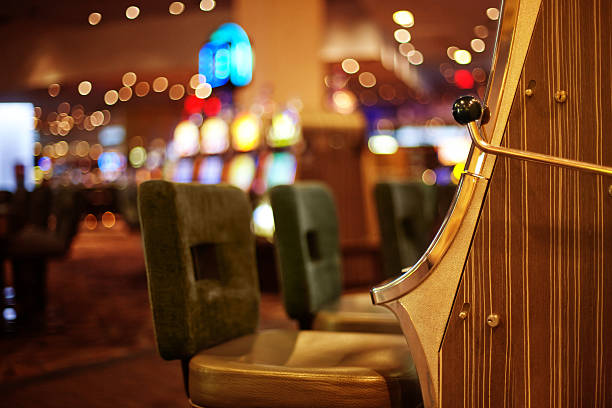
The 20th century brought significant changes to the gambling landscape, particularly with the advent of technological advancements. The introduction of slot machines in the early 1900s revolutionized gambling, providing players with a new and exciting way to engage in games of chance. These machines quickly gained popularity in bars and saloons, leading to the establishment of gaming regulations as authorities sought to control this growing industry.
During the mid-20th century, Las Vegas emerged as a gambling capital, transforming the perception of casinos as mere entertainment venues to lavish resorts. The legalization of gambling in Nevada in 1931 marked a turning point, leading to the development of iconic casinos along the Las Vegas Strip. This era highlighted the connection between entertainment and gambling, with elaborate shows, luxurious accommodations, and fine dining becoming integral parts of the casino experience.
The latter half of the century saw gambling expand globally, with countries around the world beginning to embrace the industry. The emergence of online gambling in the late 1990s opened new doors for accessibility, allowing players to engage in various games from the comfort of their homes. This shift not only democratized gambling but also posed new regulatory challenges, prompting governments to establish frameworks to ensure safe and responsible gaming practices.

Modern Gambling and the Online Revolution
Today, gambling has undergone a profound transformation with the rise of online platforms, enabling users to play casino games, poker, and sports betting from anywhere in the world. The convenience of accessing casinos via mobile devices has reshaped the industry, attracting millions of players globally. Online gaming platforms have become increasingly sophisticated, offering a diverse range of games, promotions, and user-friendly navigation that cater to both new and experienced players.
Security and player safety have become paramount concerns in the digital age, with regulatory bodies implementing strict guidelines to ensure fair play and responsible gaming. Innovative technologies, such as blockchain and cryptocurrencies, have also entered the gambling space, enhancing transparency and security. This modern landscape highlights a commitment to creating a safe and engaging environment for players, fostering trust and accountability.
As the industry continues to evolve, online casinos like Pinco Casino are dedicated to providing an enjoyable experience for users. By combining traditional gaming elements with cutting-edge technology, these platforms strive to engage players while ensuring the highest standards of safety and support. The future of gambling appears promising, with continuous innovations enhancing the overall gaming experience.